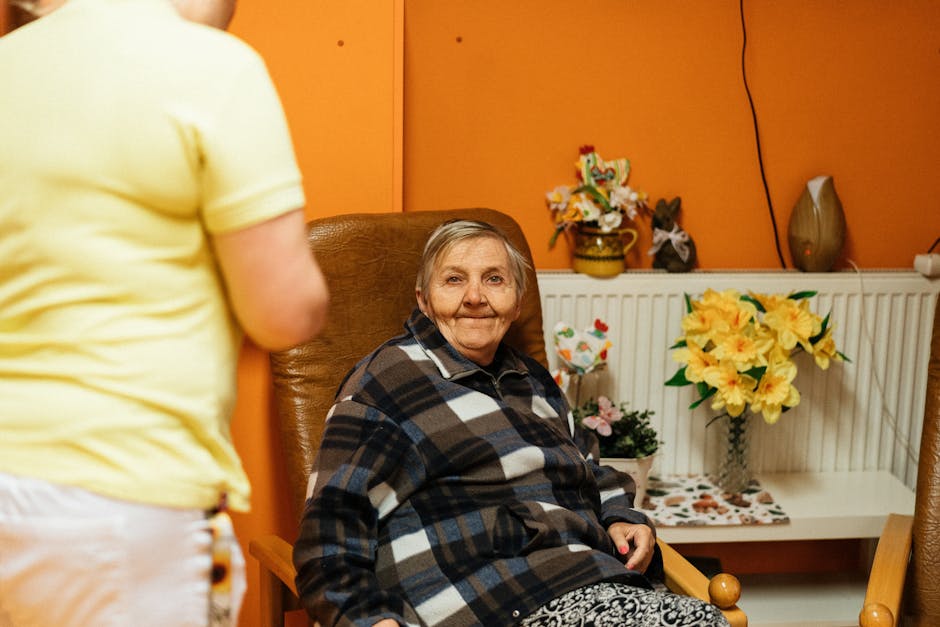
Short answer: this UK guide covers the practical side only. Once the decision about a care home has been made with the right professionals, plan the move around ordinary routines, keep the room familiar, and give yourselves more time than you think you need.
Before the move
- Ask the home what the room contains and what you can bring, including furniture, electrical items and decorations.
- Ask about move-in dates, access times, parking and who will welcome the person.
- Decide who will help on the day, and keep the number of people in the room small and calm.
- Check what needs to happen to the person's current home, such as a sale, a rental or keeping it for a while.
If the move follows a hospital stay
Age UK explains that many hospitals now use a "discharge to assess" approach: an initial assessment makes sure the person leaves safely, and an assessment of long-term needs follows after a period of recovery. If there is a possibility of living in a care home permanently, staff should assess needs and consider whether intermediate care or reablement could help first. Age UK says these services should be free for up to 6 weeks if the person is eligible, and advises checking the cost of any service on offer, as rules can differ by area. Ask the hospital team and your council's adult social care team what applies. See Age UK on leaving hospital and our guide to moving into a care home from hospital.
What to bring
- Clothing in good condition, labelled with the person's name.
- Toiletries and any items the home has asked for.
- Photographs, a favourite blanket, a clock or radio, and a few familiar ornaments.
- A short list of important contacts and papers in one clearly labelled bag.
Moving day
Set up the room first so it feels familiar: bed made, photographs in place, favourite chair positioned. Keep the day unhurried, and plan time for the person to settle before anyone leaves.
The first days
Age UK suggests a few things that help someone settle in: bring photos and soft furnishings to make the room their own, ask whether favourite furniture can come, tell staff about their routine and interests so they can fit in with them, and keep in touch with family and friends, for example by phone or tablet. See Age UK on moving into a care home.
The home they are leaving
Sorting a lifetime of belongings can wait until after the move, and it is easier at a gentler pace. See our guide on how to declutter a parent's house and our decluttering and sorting service.
Where Chayce Properties helps
We help families with the practical side of a move, including care home removals, moving an elderly parent, packing and unpacking and a fully insured removal. We do not provide care, medical or legal advice, and for funding questions see who pays for a care home in the UK and where to get advice. A Discovery Consultation, £150, gives you a plan and timeline.