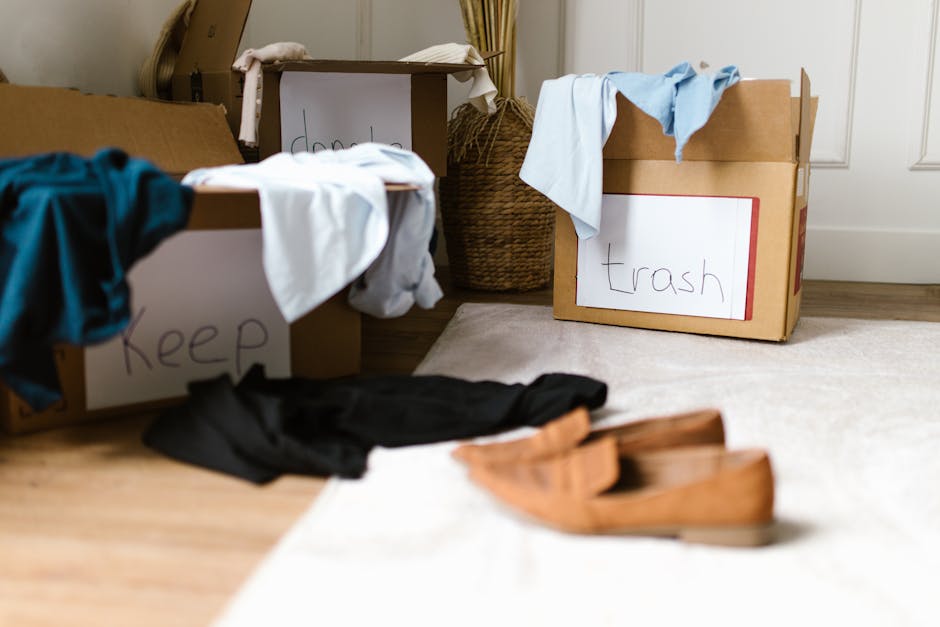
Short answer: downsizing means moving to a smaller property, often with fewer bedrooms or less floor space, to simplify life and reduce upkeep. Senior relocation is the wider process of moving to a home that suits later-life needs, which may or may not be smaller.
What downsizing means
Downsizing is about the size of the home. You move to a smaller place to cut maintenance and keep life simple.
People often start thinking about it when:
- rooms are closed off or only used for storage;
- the house or garden takes more time, money or energy than you want to give;
- stairs, baths or steep paths are becoming harder;
- you would like to release some value from the home.
Independent Age lists the main upsides of downsizing as releasing capital, lower running costs and less maintenance.
What senior relocation means
Senior relocation is about fit. It focuses on finding accommodation that supports changing circumstances, such as being closer to family, friends, shops or healthcare, having less to look after, or having specialist facilities.
A relocation may involve a smaller space, or it may not. For some people the right answer is a different area rather than fewer rooms. Our guides on moving into a retirement village and care home, assisted living or sheltered housing cover some of the options, and staying or moving in later life helps if you are not sure whether to move at all.
Downsizing and senior relocation at a glance
| Downsizing | Senior relocation | |
|---|---|---|
| Main aim | Fewer rooms and less to look after | A home and place that suit later-life needs |
| Size of the new home | Smaller | Smaller, the same or different, depending on need |
| The question it answers | How much home do I need? | Where will I live well? |
| Typical reasons | Upkeep, running costs, unused rooms | Being near family, shops or healthcare; easier access; specialist facilities |
| Always involved | Sorting and decluttering belongings | Choosing where to live, plus sorting and the move itself |
When it is both
The two often go together. A move to a smaller home that is also nearer family, easier to manage and closer to healthcare is downsizing and relocating at once. The useful question is not which label fits, but what the move needs to achieve for you.
Which is right for you?
Start with the problem you are trying to solve:
- Is the main difficulty the size and upkeep of the home, or where it is?
- Would you like to be nearer family, friends, shops or healthcare?
- Are stairs, baths or steep paths making daily life harder?
- Do you need to release money from the home, and have you checked what that could mean for you?
Independent Age also warns that moving costs can be high, that a smaller home is not automatically cheaper, that tax may be payable on the purchase, and that money from selling your home could affect eligibility for means-tested benefits. If benefits matter to you, take advice before you sell.
What both kinds of move involve
Whichever you choose, the same jobs usually need to happen in the right order:
- deciding where to live next, and whether to move at all;
- sorting and decluttering a home that may hold decades of belongings;
- timing the move around a sale or a purchase (see our UK timeline for selling and relocating);
- packing, the removal itself, and setting up the new home.
Allow three to six months where you can. A planned move is calmer and gives you more choice than one made in a hurry. Our downsizing checklist and guide to when to downsize help you get started.
How Chayce supports your move
Chayce Properties supports both kinds of move. We handle the hard parts: deciding what to keep, sorting and packing, coordinating with estate agents and solicitors, and settling you into your new home.
Support comes in three stages: Prepare (getting your current home ready), Move (managing the practical details) and Settle (helping your new home feel ready and lived in). Every client has a dedicated relocation coordinator who handles the move from first enquiry to settling day, with discreet, tailored support throughout. All removals are fully insured as standard, and we work with clients across the UK.
Getting started
If you are unsure whether downsizing or relocating is right for you, start with a Discovery Consultation (£150, in person or by phone). This single session covers your home, timeline and budget, and ends with a clear plan before you commit. Your coordinator then recommends the services and packages that fit your situation, not a generic checklist. Packages start from £995, and the same coordinator sees the move through to completion.
For more on our service, see downsizing help for older people and our elderly move manager service.
Related: how to downsize a family home and later-life relocation: a practical UK guide.
Sources
Figures and advice are summarised from these sources as published and may change. This article is general information, not financial or legal advice.